



Picture three colleagues flying to the same early meeting. One lives in Oakville, one in Mississauga and one in Brampton, and nobody wants to drive. An airport run with two pickups on the way lets a single chauffeur collect everyone in a sensible order and deliver the team to the terminal together, calm and on schedule.
The scenario: one flight, three front doors
Say a small team is flying out for a client visit. They have a shared flight, a shared agenda and three separate home addresses scattered across the western GTA. The alternative to one car is three drivers, three parking bills and three people hunting for each other at the departures hall. A shared car has an obvious appeal, but only if the route and the timing are built properly.
The same pattern fits a couple travelling with a friend, or two neighbours flying to the same wedding. The principle is the same: a loop that starts with the farthest address and ends at the terminal.
It also suits travellers who share a destination but not a start point, such as a family where one parent leaves from the office and the other from home, or a couple who need to collect an elderly parent on the way. A chauffeur who knows the area can suggest the most sensible order, and the plan can change by the day depending on traffic.
What goes wrong without a route plan
The usual mistakes are sequencing and optimism. The pickups are arranged in an order that doubles back on itself, or each stop is given the same few minutes when one of the passengers needs ten. A single late traveller can push the whole car past the airline's check-in cut-off. Without a clear plan, group messages multiply and arrival times drift.
The other common problem is vague addresses: an apartment building with two entrances, a house on a street with a similar name, or a gate code nobody remembered to share.
Weather matters here more than on a direct trip, because each stop adds an exposure to the cold or the rain for whoever is waiting. In winter, tell the passengers to stay indoors until the chauffeur messages that the car is at the door, and ask us to arrange a short call before arrival so nobody stands on the front step.
How an airport run with two pickups works
- You give us every address, the flight number and the time each passenger will be ready.
- We build the route, starting with the address that is farthest from the airport, so the car moves steadily toward the terminal.
- We set a pickup time for each stop, with a short wait built in at each one.
- The chauffeur messages each passenger a few minutes before arrival, so nobody waits in the cold.
- The car arrives at the correct departures curb, and the whole group unloads together.
See our Pearson airport limo page for the terminal side, and our airport limo overview for the service as a whole.
Where the stops are close together, the pickups take only a few minutes each. Where they are far apart, the loop adds real distance, and the first passenger may spend longer in the car than the last. Be open about that when you plan, so the person with the earliest pickup knows what to expect and can bring something to read.
Timing the loop
Work backwards from the flight. Subtract the airline's recommended arrival time, the drive from the last stop to the airport at the traffic level of that hour, and the time for each stop. If you are collecting people from Oakville, Mississauga and Brampton, the chauffeur will usually start at the farthest point and finish closest to the airport, though traffic patterns may reorder the loop.
Add a margin. Every extra stop is a small risk, and an airport run with two pickups should be planned with more buffer than a direct trip. If you are catching an early flight, the buffer is also what buys you a coffee instead of a sprint.
Which vehicle fits the group
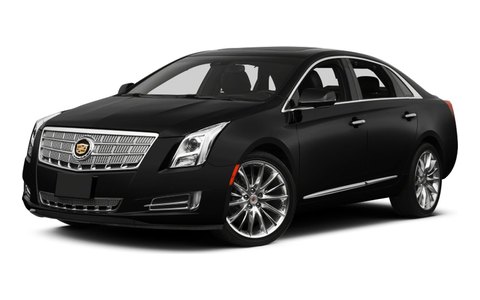
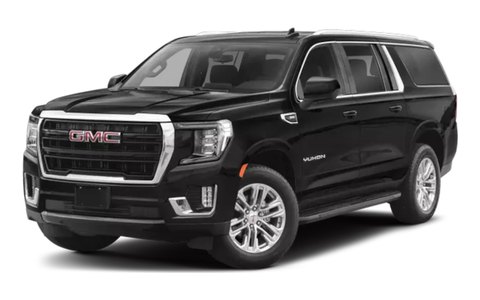
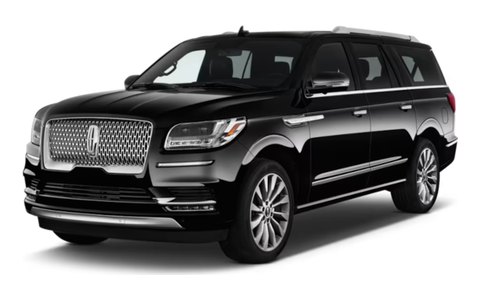
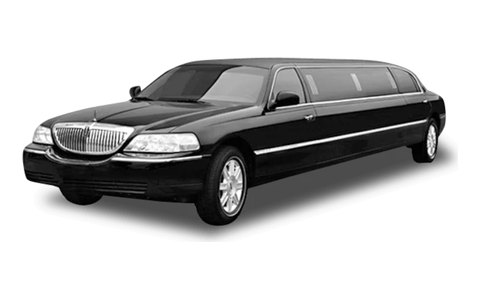
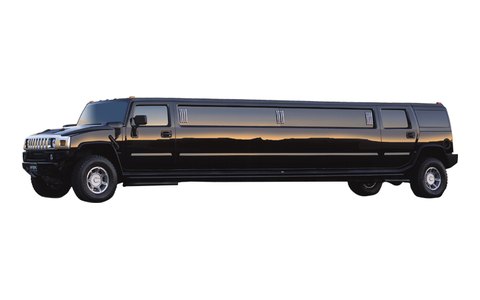
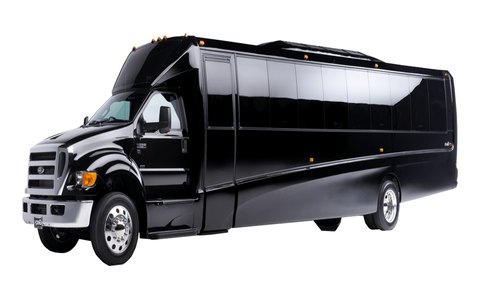
Three travellers with carry-ons and a couple of checked bags fit comfortably in a SUV Business Standard, which seats six passengers with six bags. A larger team with equipment or a lot of luggage should consider a Sprinter Standard with twelve passengers and twelve bags. A Standard Sedan holds only two passengers with two bags, so it suits a pair, not a trio.
If luggage is heavy, tell us in advance. A trunk filled by the first passenger leaves less room for the others, and the chauffeur will plan the loading order accordingly, with the largest bags at the back.
Checklist for a multi-pickup run
- Full address for every pickup, with unit numbers and gate codes.
- A name and mobile number for each passenger.
- The shared flight number, or each person's if they differ.
- The number of bags per person.
- The time each passenger will genuinely be ready.
- A rule for what happens if one person is late: wait a few minutes, then go.
Agree the late rule in advance. It is easier to be kind to a colleague when everyone knows how it works.
One more useful habit is to send a single message to the whole group with the chauffeur's name, number and the approximate pickup times. Everyone sees the same plan, and nobody has to ask the others where the car is.
Price it and reserve
Open the booking engine, enter the first pickup and the airport, add the date and time, and press Next. Each vehicle appears with its all-in price in seconds. Add the extra stops in the booking notes, or tell our team and we will confirm the route and times. An airport run with two pickups is one booking, one chauffeur and one plan, and it turns a messy morning into a short, quiet ride.
Official information & sources
- Toronto Pearson International Airport torontopearson.com
- CATSA — airport security screening catsa-acsta.gc.ca
- Transport Canada tc.canada.ca
Official sites, checked November 2026. Opening times, rules and event dates can change; confirm with the source before you travel.
Frequently asked questions
Can one chauffeur collect people from different addresses?
Yes. Give us each address and ready time, and we will plan the order and the timing of the stops.
What if one passenger is late?
Agree a rule in advance, such as a short wait and then departure. The chauffeur will message each passenger before arrival to reduce delays.
Do all passengers need the same flight?
Not necessarily. If flights differ but leave close together, one car can still serve them, and we will check the terminals.
How much extra time should I allow?
More than for a direct trip. Our team will suggest a pickup for the first stop that gives the whole loop a real buffer.
Can I add a stop later?
Tell our team as early as you can and we will update the booking and confirm the change in writing.
More on Airport arrivals & departures