
A border crossing with kids goes smoothly when the paperwork is in the right bag and the right adult knows where it is. A chauffeur removes the driving from the day, but not the questions at the booth. Here is what families and grandparents should sort out before the car arrives.
Picture the grandparent run
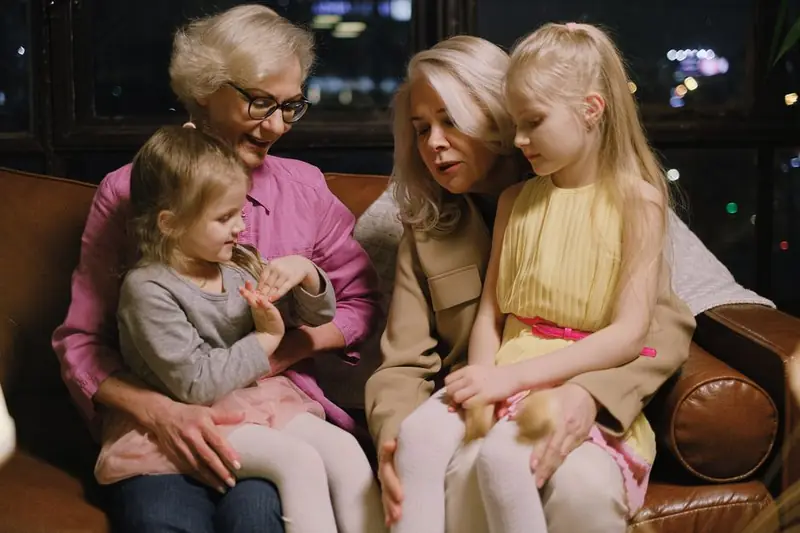
Say a grandmother is taking her two grandchildren from Toronto to western New York for a weekend with cousins. The parents are at work and will meet them on the way home. Nobody is worried about the drive. The worry is the booth: who is this adult, whose children are these, and where is the proof?
A short letter and a few documents in a folder can turn a worrying question into a thirty-second conversation.
Many families call this a border crossing with kids day and treat it like any other outing, which is the right attitude. The paperwork is the only difference, and it takes ten minutes the night before.
What officers may ask
Border officers often ask children simple questions, such as who is travelling with them and where they are going. They are doing their job, and a calm, ordinary answer is all that is needed. Prepare the children by telling them what to expect, and tell them it is fine to speak up.
When an adult travels with a child who is not their own, or when only one parent travels, official guidance recommends carrying a signed consent letter from the parent or parents who are not present, with contact details. If parents are separated, custody documents may also be helpful. Check the official pages for the current guidance, since rules are set by the authorities, not by us.
Teenagers are a special case. A sixteen-year-old travelling with a friend's family needs the same kind of letter as a younger child, with the contact details of their own parents, and should carry their own passport rather than a photocopy. A parent who is an hour behind in another vehicle can also use the letter as a back-up.
What goes wrong without a plan
- A passport is expired, or a child's document is left at home.
- A consent letter is not signed or has no phone number, so the officer cannot confirm it.
- The adult cannot reach the parents because a phone has no roaming plan.
- The family has no child seat arranged, and the car trip starts with a debate.
None of this is dramatic. Each item turns a short border stop into a longer one, and the children feel it.
How a border crossing with kids runs with elle8.com
- Tell us who is travelling. Ages of the children, who is escorting them and where you are going.
- Ask about child seats. Tell us what you need and we will explain what can be arranged on your date, or whether you should bring your own.
- Plan a calm first stop. A comfort break before the border helps everybody.
- Keep documents in one folder. The adult in charge holds them, within reach.
- The chauffeur drives and keeps the schedule. We cannot clear anyone through the border, and the driver cannot answer for you.
The Toronto and Niagara sections use our own fleet. Time in the United States is covered by vetted, licensed partner operators when needed, and we confirm that when you reserve.
If the trip is long, plan a break on the Ontario side before the crossing and another after. Children who have just been to the washroom and had a snack are far easier to settle in a queue. Tell the chauffeur if a child tends to feel unwell in the car, and the driver will keep a smoother pace and allow for a stop.
Choosing the vehicle
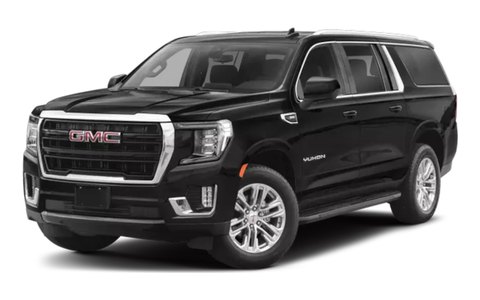
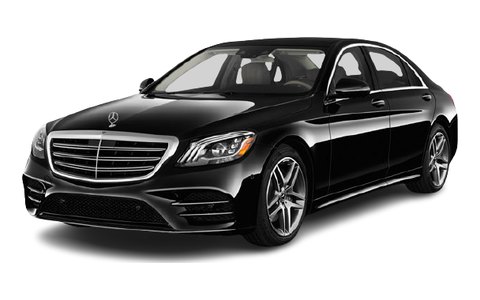
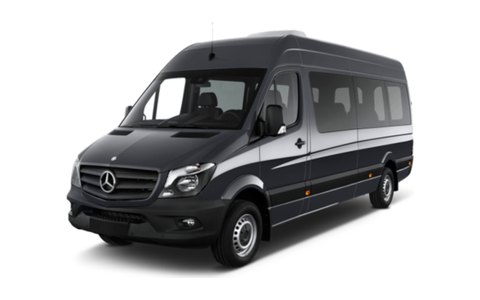
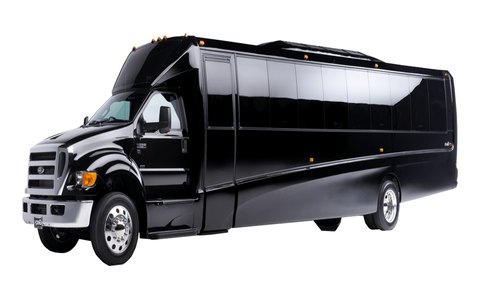
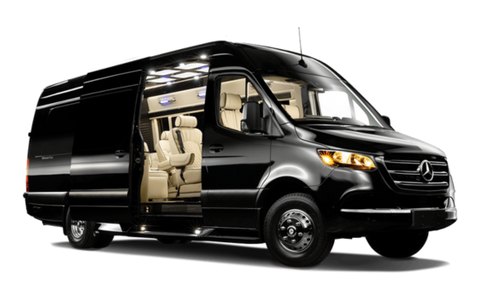
One adult and two children travel well in the SUV Business Standard, which carries six passengers and six bags and has the room for a seat or booster. A larger family with grandparents and strollers can use the Sprinter Standard, which carries twelve passengers and twelve bags, so nobody has to share a lap.
The SUV Business Standard page shows the class in detail. For the usual run, read the Buffalo and Niagara USA guide and the Toronto to Buffalo route.
Family checklist
- Passports or other accepted documents for every child and adult.
- A signed consent letter with parent contact details, if the parents are not in the car.
- Custody paperwork where it applies.
- Snacks, water and a plan for the comfort break.
- A charged phone that works across the border.
- Medication and important contacts in the same folder.
Keep one adult in charge of the folder, and give the other adults a photo of every page on their phones. If the folder is left in a bag in the boot, you will remember it at the worst possible moment. A border crossing with kids deserves a simple, boring system.
Price it instantly and reserve
Add the pickup, the drop-off, the date and the time to the booking engine, press Next, and see every vehicle with its all-in price. Reserve in minutes. If you want to talk through the plan, call +1-877-508-3344 or write to [email protected]. The international hub lists other cross-border trips.
Official information & sources
- Canada Border Services Agency cbsa-asfc.gc.ca
- U.S. Customs and Border Protection cbp.gov
- Destination Canada destinationcanada.com
Official sites, checked November 2026. Opening times, rules and event dates can change; confirm with the source before you travel.
Frequently asked questions
Does a child need a consent letter?
Official guidance recommends a signed letter when a child travels without both parents. Check the current advice on the border agency's website before you go.
Can the chauffeur provide a child seat?
Tell us the child's age and size when you book. We will explain what can be arranged for your date, and you can bring your own if you prefer.
Can a grandparent take the children across?
Yes, with the right documents and a signed letter from the parents. Check the current guidance for your situation.
Will the chauffeur speak to the officers for us?
No. Passengers answer for themselves. The chauffeur keeps the schedule and drives.
What if we have a long wait at the booth?
Children handle waiting better with snacks, a charged tablet and a plan. The driver will keep the cabin calm and tell you what the queue looks like.
More on Cross-border & international trips