
Say you have a long drive booked for tomorrow and the forecast now says freezing rain. An ice storm travel plan is mostly about choosing the right moment, not forcing a schedule. Here is how to think it through, what a chauffeur can and cannot do and how to keep options open.
The scene: a long trip, an ice warning
Picture a family planning to drive to a cottage-country wedding, or a manager booked to reach Ottawa for a two-day meeting, or a group planning a weekend north. The date is fixed. Then the forecast turns: freezing rain, a long advisory, roads that glaze over in places and stay clear in others. Everyone asks the same question at once: do we still go?
The honest answer is that it depends on the road, the hour and the stakes. The useful answer is a plan that gives you more than one option before the evening news does it for you.
Why ice is different from snow
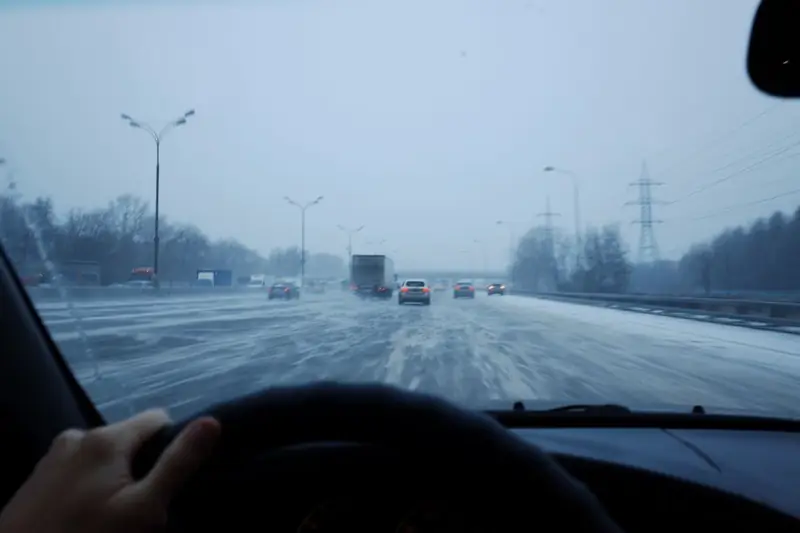
Snow slows traffic. Freezing rain changes what the road is. A surface that looks wet can be glazed, bridges and overpasses ice first, and a highway can go from fine to closed in an hour. Power outages can follow, and so can long closures of the main routes in and out of a region. That is why an ice day deserves its own thinking, apart from an ordinary snowy day.
The aim is not to be brave. It is to be prepared enough that you can decide calmly, early, and without regret.
An ice storm travel plan is not a promise to go. It is a way of choosing calmly when to go.
What usually goes wrong
- Waiting too long. People leave at the planned hour and hit the worst stretch of the storm.
- No plan B. A closed highway leaves a car and a group stuck with no alternative route or departure time.
- Single points of failure. One tired driver, one set of tires and one phone with a low battery.
- Social pressure. A group of friends talks itself into leaving because nobody wants to be the one who cancels.
How a planned car with elle8.com helps
A planned chauffeur trip gives you two assets on an ice day: a professional making the driving decisions and a dispatch team you can call. When a warning appears, contact us early. Tell us the date, the route and the stakes and ask how weather changes are handled for your booking. We can talk through moving the departure earlier or later, shortening the day or rearranging the trip with you. We cannot make a road safe, and we will not ask a chauffeur to drive a route that is unsafe. What we can do is work through the options in daylight rather than at the curb.
For long runs such as Toronto to Ottawa or Toronto to Niagara Falls, a short call the day before is the most useful habit.
A simple ice storm travel plan for the day before
- Check the advisory timing. Is the ice expected overnight, during the day or only in one region? A trip that starts at noon may miss the worst of a morning event.
- Check the whole route. A clear departure city and a glazed destination are not the same as a clear trip.
- Decide what is fixed. A wedding ceremony is fixed. A cottage weekend is not. A flight may be fixed or may already be changing.
- Pick a go or no-go time. Agree on an hour in the evening or the next morning when the group makes the final call.
- Keep the booking flexible. Tell us your decision as early as you can, and ask us what is possible.
A shared decision time stops the group from talking itself into a risk or out of a plan that was fine.
Which vehicle and comfort planning
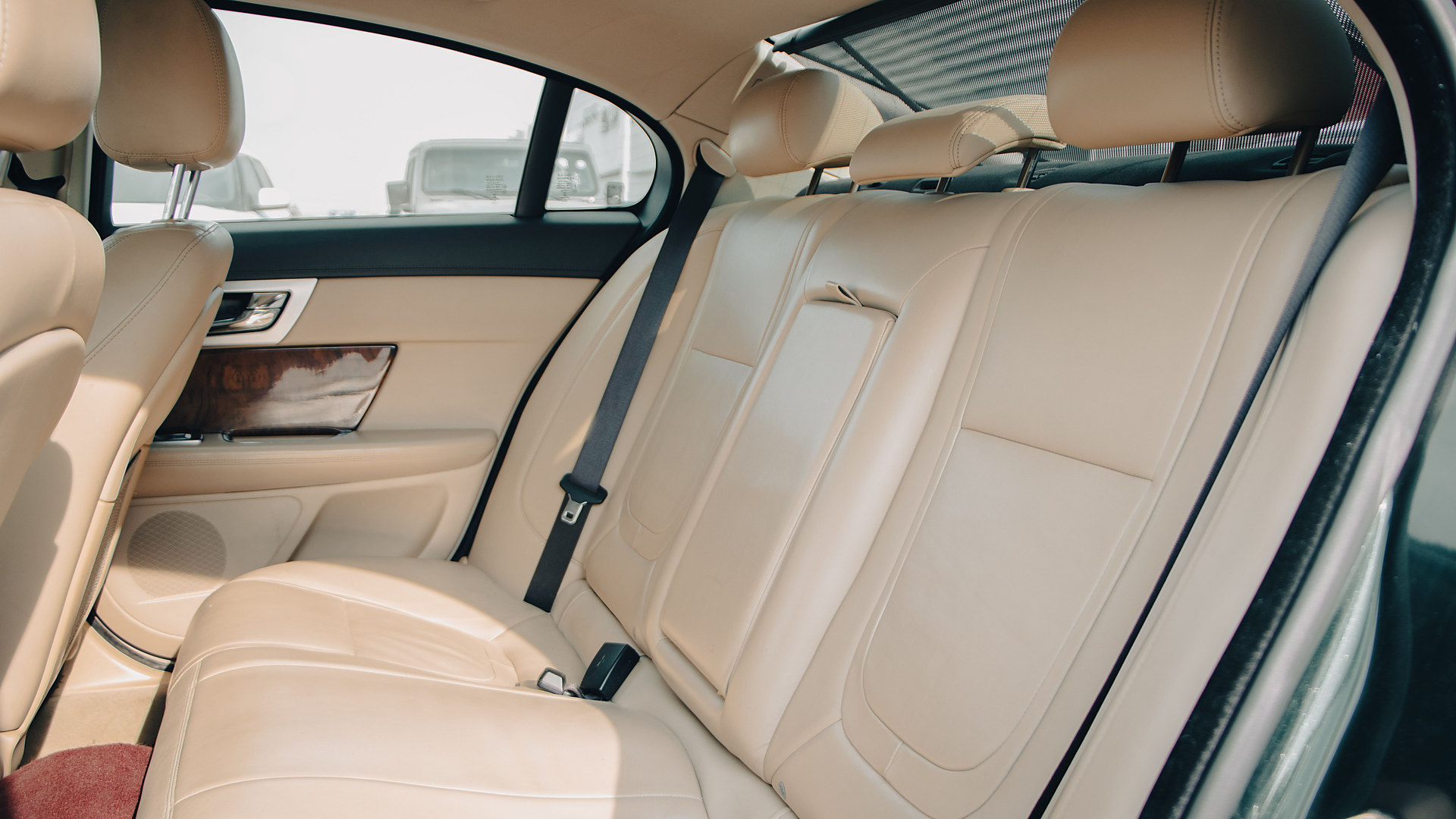
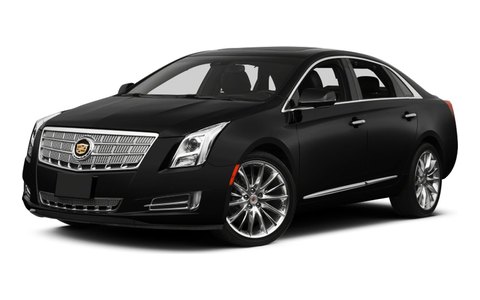
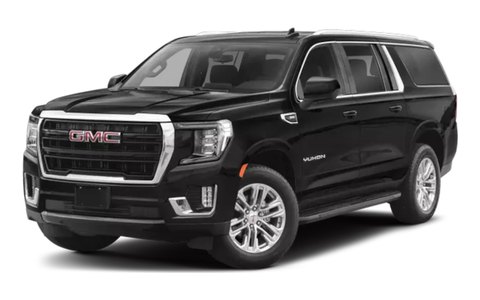
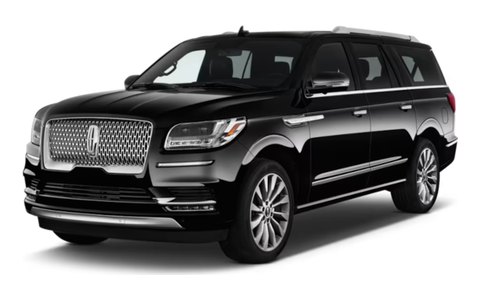
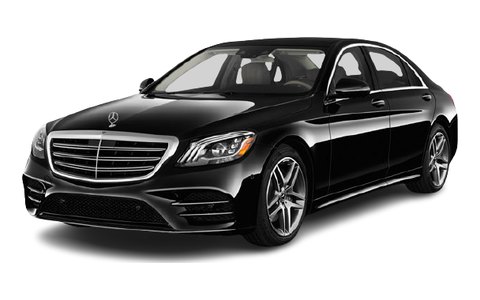
If the trip goes ahead, comfort matters because the drive may take longer. A SUV Business Standard carries six passengers and six bags with room for coats and an emergency bag. Pack water, snacks, chargers, warm layers and any medication in a small bag you keep within reach rather than in the cargo space. A long wait in a stopped car is easier when the basics are on your lap.
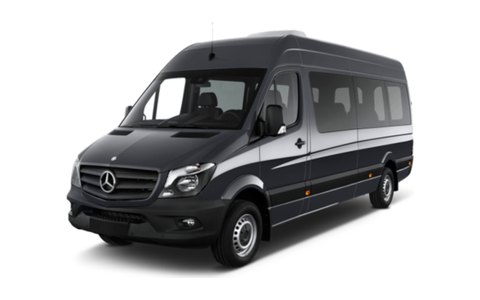
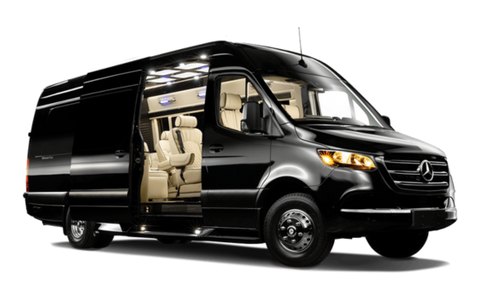
For a group, the Sprinter Standard seats twelve and has room to stand up and stretch during a stop.
Share your ice storm travel plan with everyone in the party, so the go or no-go hour is understood by all.
Checklist and instant pricing
- Date, route and fixed events
- A go or no-go hour
- Phone numbers for everyone in the party
- An emergency bag with water, snacks, charger and warm layers
- Medication, glasses and ID within reach
- A fallback plan: later departure, hotel night or cancelling the trip
You can price a trip instantly in the booking engine: enter pickup and drop-off, date and time, press Next and see every vehicle with its all-in price. Have a look at our FAQ for general booking questions, and call us if the forecast changes.
Official information & sources
- Environment Canada weather weather.gc.ca
- Destination Canada destinationcanada.com
Official sites, checked November 2026. Opening times, rules and event dates can change; confirm with the source before you travel.
Frequently asked questions
Will you drive during an ice storm?
A chauffeur will not be asked to drive a route that is unsafe. Contact us early when a warning appears and we will talk through timing and options.
Can I move my booking if the forecast gets worse?
Ask us as early as you can. Tell us the date, route and what is fixed, and we will explain what is possible for your booking.
When should I decide to go or not?
Pick a go or no-go hour the evening before or the morning of travel, once the advisory timing and route conditions are clear.
Which vehicle is best for a long winter drive?
Choose the vehicle that fits your people and bags with room to spare. An SUV gives space for coats and an emergency bag.
What should I pack for a delay?
Water, snacks, a phone charger, warm layers, any medication and your ID, kept in a small bag within reach.
More on Ski, snow & winter