Say you are a mediator's coordinator and both sides, plus their counsel, are due at ten. Nobody wants a tense first meeting in the lobby. Separate arrival cars give each party their own pickup time, their own entrance and their own few minutes of quiet before the day begins, which is often the difference between a productive session and a rough start.
The scenario: two parties, one building, no shared lobby moments
A typical case: a commercial dispute heads to a full-day mediation at a downtown office. Each side comes with counsel and a decision-maker. The mediator has asked for staggered arrivals and separate rooms, and the coordinator has booked a large meeting space plus two breakout rooms.
Here is the risk. If everyone arrives at ten sharp and takes the same elevator, the first conversation happens in a cramped lift, before any ground rules. In emotional disputes, a hallway encounter can set the tone for the whole day.
What usually goes wrong
Parties drive themselves and park in the same garage. One side arrives early and waits in reception; the other arrives late and walks in through the same door. A rideshare driver drops someone at the wrong entrance, and a minute of confusion becomes an argument about who was supposed to be where.
Even a well-meaning host struggles. The mediator's office staff cannot control who arrives when, and nobody wants to be told which door to use by a receptionist.
How separate arrival cars work with elle8.com
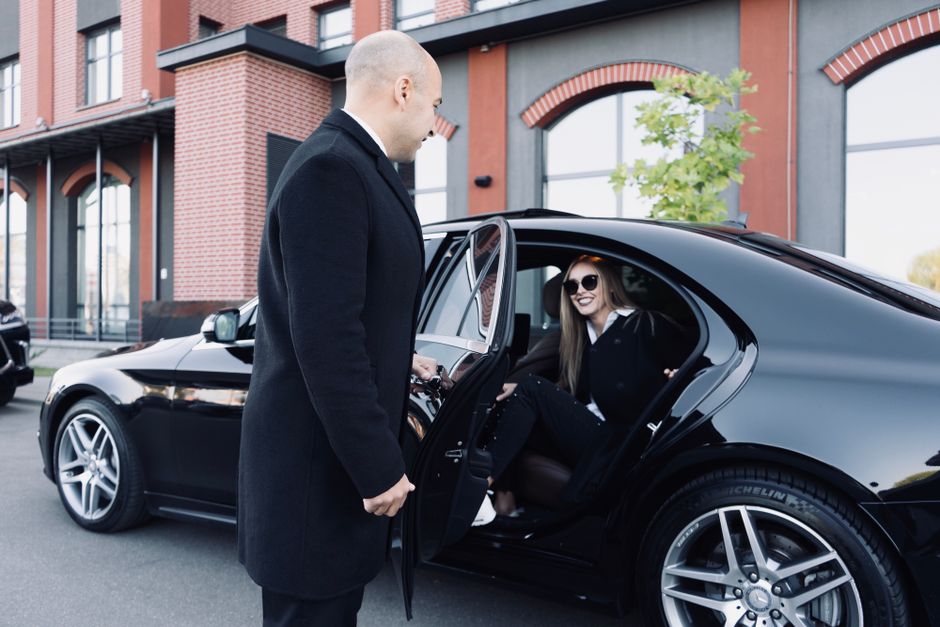
We plan each side as its own booking, with its own pickup, its own chauffeur and its own drop-off point. If the building has two entrances, such as a street door and an underground drop-off, the chauffeur for one side uses one and the other uses the other. Pickups are staggered by a few minutes, which is the core idea behind separate arrival cars, and chauffeurs coordinate with each other only about timing, never about who is in the car.
At breaks or lunch, the same cars can stand by if a party wants fresh air, a quiet meal elsewhere or a ride back to their office to retrieve documents. At the end of the day, departures follow the same pattern, so the two groups do not meet at the curb.
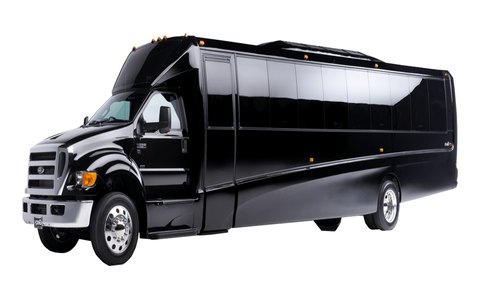
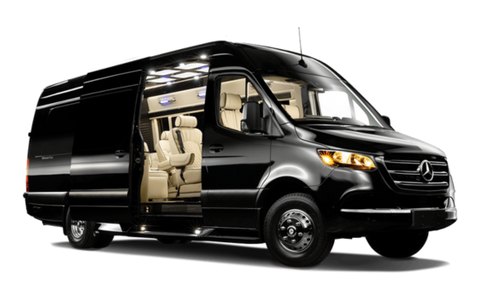
You can book as many cars as the day needs, from one for each side to several for counsel and advisers. Our executive car service page explains the standard, and the Toronto guide shows the areas we serve.
A day plan that keeps both sides comfortable
Think of the day in four beats. First, the morning arrival: each party is picked up on its own timetable and delivered to its own entrance. Second, the working session, when cars are released unless a party asks them to stay close. Third, the lunch break, where each side can leave for a quiet meal without crossing the other in the building. Fourth, the late-afternoon departure, which may arrive earlier than expected if a deal is reached or later if talks run long.
When a mediation is likely to run into the evening, ask for a flexible return window. The chauffeur can wait nearby without the party feeling rushed, and the separate arrival cars become separate departure cars without any scramble at the curb.
Choosing vehicles for each party
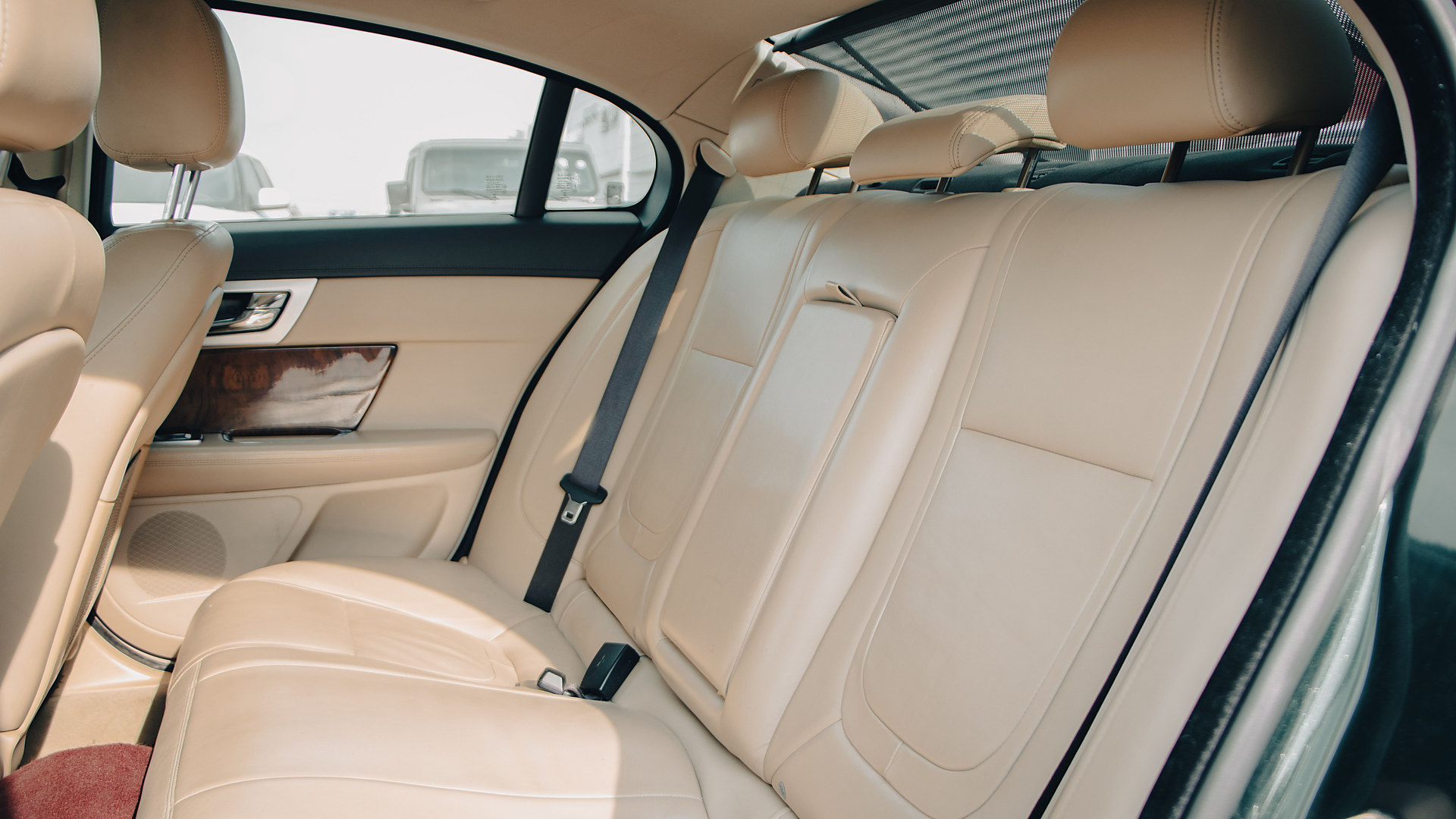
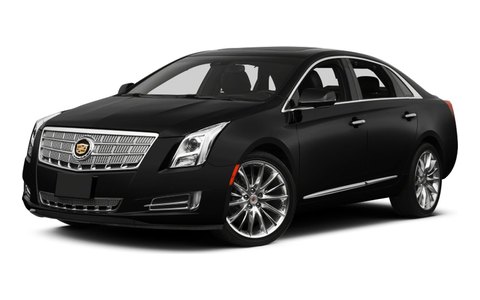
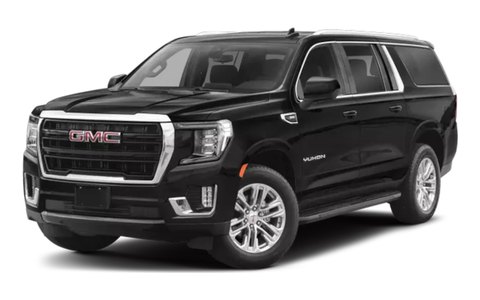
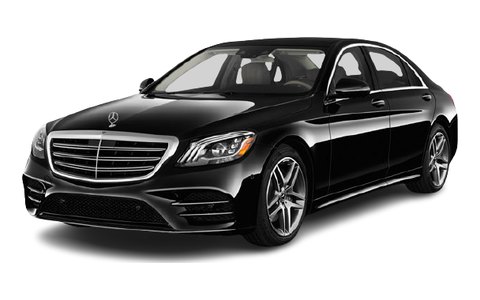
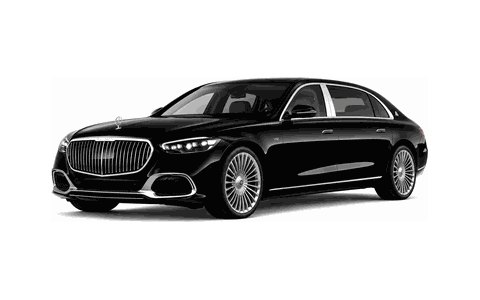
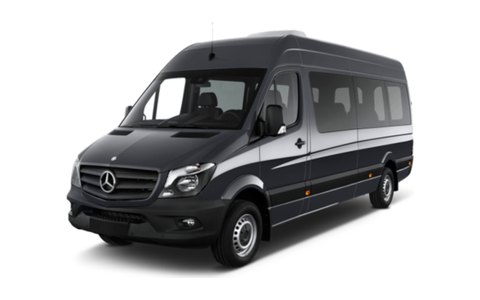
For a single principal, the First Class Executive Sedan E | S Class suits a quiet, private ride. For a party with counsel and an adviser travelling together, the SUV Business Standard carries six passengers and six bags and gives everyone room to review notes on the way. The SUV Business page describes the cabin.
Match the vehicle to the party's own comfort, not to appearances. A mediation is not a competition, and a modest, quiet car is often the right call.
Timing and neutrality
Share the arrival windows with each side in the same format so neither feels favoured. If one party travels from the airport, we track the flight and adjust the pickup. Tell us if a party has accessibility needs so the nearest door is used.
Some mediators prefer that parties do not know each other's arrival times. In that case, route the booking through the coordinator, who can share only that party's pickup details. Our chauffeurs do not discuss other bookings and keep each party's details to themselves.
Booking checklist
- Building address and the entrances each party should use.
- Arrival window for each side, staggered by a few minutes.
- Party and counsel counts, and any mobility needs.
- Lunch or break plans, and whether the car should stay nearby.
- Departure order at the end of the day.
Price it and reserve
Enter each party's pickup and the building in the booking engine, add the date and time, and press Next. You see every available vehicle with its all-in price and can reserve in minutes. For a larger mediation with many cars, call +1-877-508-3344 and we will arrange the sequence. For tips on repeat law-firm work, see the corporate car service page.
Official information & sources
- Destination Canada destinationcanada.com
Official sites, checked November 2026. Opening times, rules and event dates can change; confirm with the source before you travel.
Frequently asked questions
Can two parties book separate cars through one coordinator?
Yes. The coordinator can make each booking separately and share only the relevant pickup details with each party.
Will chauffeurs share information about the other side?
No. Chauffeurs keep each booking's details private and discuss only timing with dispatch.
Can cars stay nearby during breaks?
Yes. Tell us if a party wants the car on standby for a break, a quiet lunch or a short trip to retrieve documents.
What if the building has only one entrance?
The chauffeurs stagger the arrivals by a few minutes and use different curb positions so the two groups do not overlap.
How do we price several cars at once?
Use the booking engine for each car or call us to link the bookings and plan the sequence together.
More on Industries II