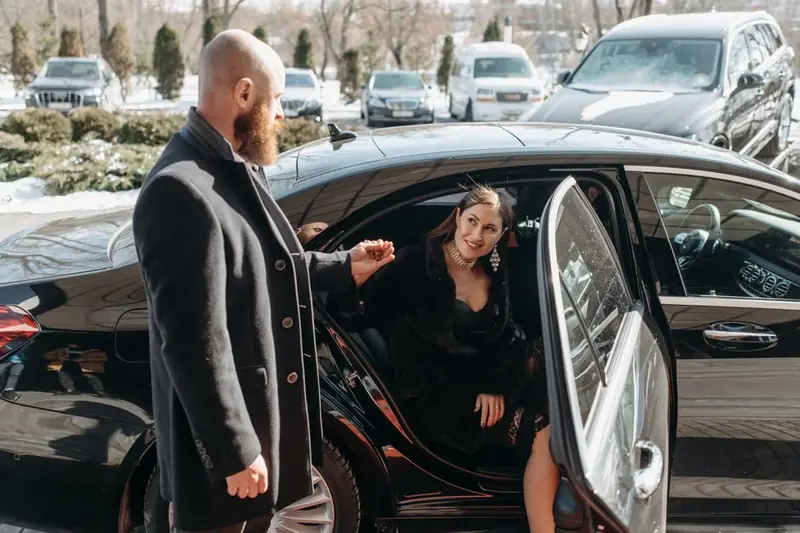

Say your alarm goes off at four. You have a race bag, a wetsuit, a helmet and a nervous stomach. A race morning chauffeur takes the driving, the parking and the clock off your plate, so the only thing you need to think about is the swim start and the long day ahead.
The scenario: a pre-dawn start
Triathlons begin early. Transition areas open before sunrise, bike checks come first and athletes are asked to be present well before the start. The nights before are short and the mornings are tense, with a long list of small tasks that all have to be done in the right order.
Picture an athlete in Oakville heading to a race several towns away. The venue has limited parking, roads closed for the event and a hard cut-off for athletes to be in place. Missing the window means missing the race.
There is a mental side to race morning as well. Athletes talk about the quiet in the car before a start: the nerves, the visualisation, the last check of the plan. When someone else drives, that time is yours. A race morning chauffeur gives you a calm, predictable half hour in which to breathe, eat and think, instead of watching a map.
What usually goes wrong
Parking is the first problem. Race sites fill with athletes, volunteers and spectators, and the closest lots are the first to go. Road closures change the route in the final mile. Tired athletes make mistakes: a missing helmet, a forgotten pair of shoes. And at the end of the race, after hours of effort, driving home is not what anyone wants.
If a friend or family member drives, they too must get up early and spend the day waiting. A professional chauffeur solves the problem for everyone.
Another common issue is the handover of gear. Bags get left on a kerb, a helmet slides off a seat, a pair of goggles stays on the kitchen table. A chauffeur who helps you load, and who waits while you do a final check, reduces those errors. If you are racing with a club, plan a single pickup for the whole group; it keeps everyone on the same schedule and avoids a line of cars at the entrance.
How a race morning chauffeur works
- Share the race address, your wave or start time and the time you need to be in transition.
- Book in the booking engine with a pickup time well before that.
- Your chauffeur arrives early and loads your gear with care.
- The drop-off is as close to the venue entrance as roads and rules allow.
- After the race, you call and the car meets you at an agreed point away from the finish crowd.
We serve Toronto and the GTA with our own fleet and chauffeurs. For longer trips across southern Ontario, ask our team about planned routes.
Gear, bikes and space
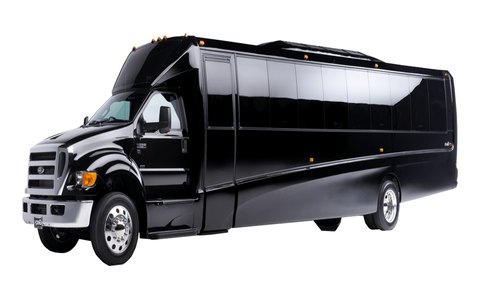
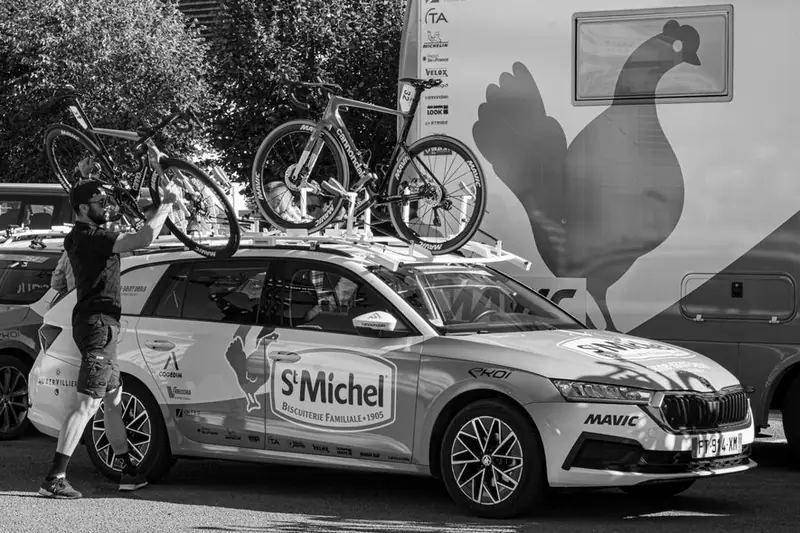
Triathlon gear takes space. A wetsuit, helmet, shoes and nutrition fit in a normal bag, but a bike is a different matter. Many athletes drop their bikes at transition the day before, or arrange a separate carrier. If you plan to bring a bike in the vehicle, tell us in advance. We will confirm which vehicle can carry it and what protective measures are needed.
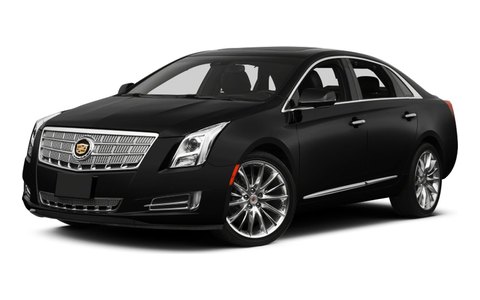
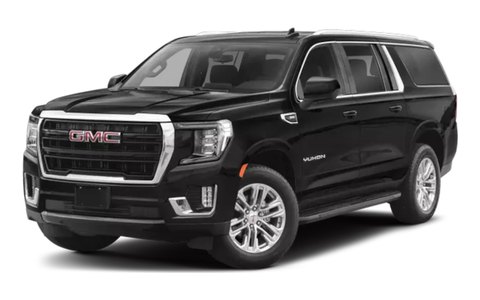
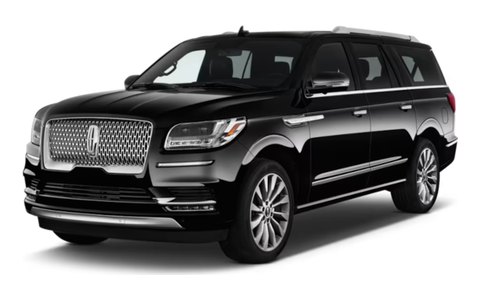
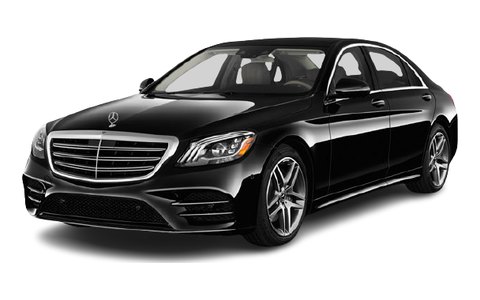
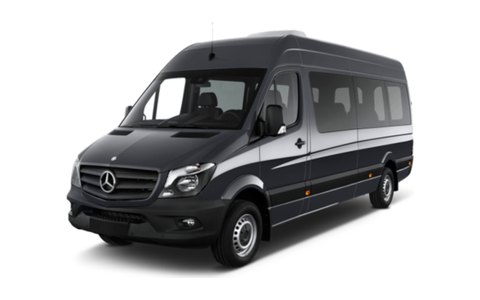
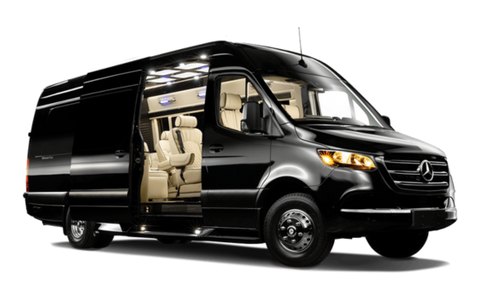
An SUV Business Standard seats six passengers with six bags, which suits an athlete and a supporter with kit. A Sprinter Standard seats twelve and carries twelve bags, which suits a club or team travelling together. For a more refined ride, the First Class Executive Sedan seats two with two bags.
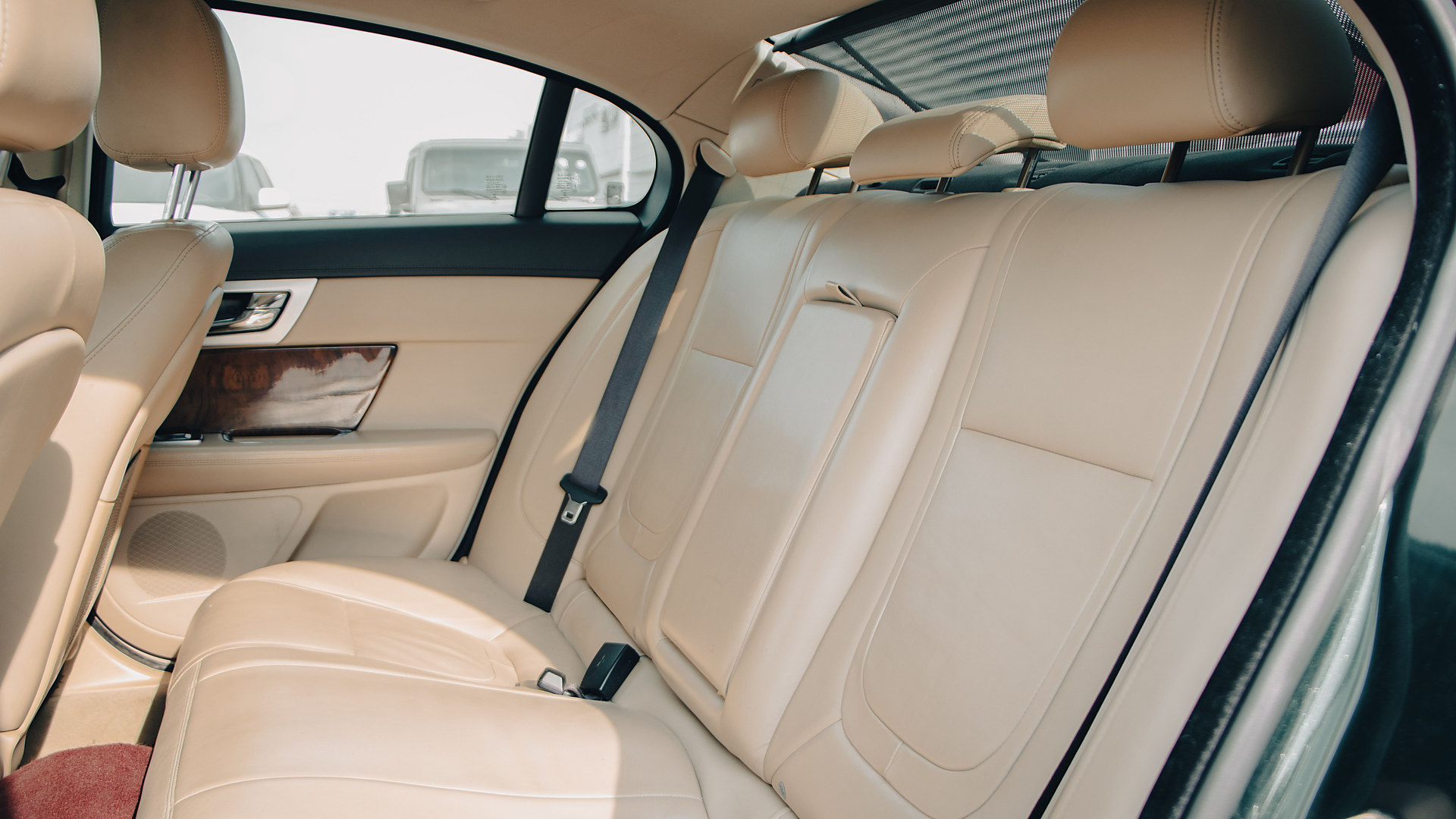
For athletes who prefer more comfort, an SUV Business Standard carries kit and a supporter, and a calm interior suits the early start. If you are racing for several hours, ask about an hourly booking so the vehicle is available when you finish rather than being booked for a single transfer. Longer events call for flexible plans.
Timing the morning
- Work back from the transition closing time and add a generous buffer.
- Pack the night before and keep a checklist near the door.
- Share your wave time with your chauffeur and agree a pickup spot.
- Keep warm clothes for the wait after the finish.
- Plan food for the return; hunger sets in fast.
Race organisers publish a timetable for athlete check-in, bike racking and the start. Use it as your guide, and add margin for road closures. Share the timetable with your chauffeur so they know the plan and can suggest the best approach. A good race morning chauffeur is a quiet partner in your preparation, not a source of extra decisions.
After the finish
The end of a race is a delicate time. Legs are tired, the body is cooling and emotions are high. A pickup point away from the busiest part of the finish area saves walking. Your chauffeur can wait nearby, and you call when you are ready.
If your supporters are staying, they can ride home with you or stay for the medal ceremony and take a later pickup. Share the plan with your chauffeur so the vehicle can return when needed. A race morning chauffeur is as useful at noon as at dawn.
Booking checklist
- Race name, address and start time.
- Number of athletes and supporters.
- Gear list, including any bike.
- Pickup address and preferred times.
Then price it instantly and reserve. Our team is on +1-877-508-3344 any hour.
Official information & sources
- Destination Canada destinationcanada.com
Official sites, checked November 2026. Opening times, rules and event dates can change; confirm with the source before you travel.
Frequently asked questions
Can the chauffeur carry my bike?
Tell us in advance. We confirm which vehicle can carry it and what is needed.
How early can you pick me up?
We work around the clock. Choose a time in the booking engine.
Can my supporters come with me?
Yes. Include them in the passenger count.
Can the car wait at the venue all day?
Usually the chauffeur stays nearby and returns when you call.
What if my race is cancelled or delayed?
Contact us as soon as you know and we will adjust the booking.
More on Sports