


Picture a specialist invited to give a talk at a hospital's weekly teaching session. They land in the morning, speak at noon and have a dinner with the department that evening. A chauffeur turns the visiting specialist's grand rounds day from a series of handoffs into a single, smooth plan that protects the talk and the energy it takes to give it.
The scenario: a talk with a fixed time and a long list of extras
A typical case: a university department invites an expert from another city or country to give a lecture to physicians, residents and students. The talk starts at a fixed time, usually around midday, and the host has arranged a short meeting with department leaders beforehand and a dinner afterwards.
The visitor has a full day. They also have clinical or research duties at home, so the visit is usually brief, with a flight in and a flight out inside twenty-four hours.
What goes wrong without a plan
Visiting speakers rely on the host's goodwill for pickup, and busy hosts, including residents or administrators, often volunteer their own cars. A delayed flight turns a friendly gesture into a stressful hour for the host, who has patients to see. A taxi or rideshare from the airport to a large hospital campus can leave the speaker at the wrong entrance with a projector bag and a short time to find the lecture hall.
After the talk, the speaker may need to reach a dinner across town and later the airport. Without a plan, those moves depend on whoever is free.
How a visiting specialist's grand rounds day runs with elle8.com
The department coordinator books a chauffeur for the speaker. The chauffeur meets the flight with a name sign, follows any delay and drives the speaker to the hospital, with a drop-off point near the lecture hall that the coordinator has confirmed. If the speaker needs a short rest or a quick meal beforehand, the chauffeur plans a stop.
After the talk, the car takes the speaker to the dinner, then to the hotel or the airport. If the speaker has time for a short visit to a lab or another clinic, the chauffeur adds the stop. Because the host has handed over the logistics, the department's staff can focus on the audience and the questions, not on the car park.
You can read about our airport transfer service, and the Pearson airport limo page describes the arrivals process. For a talk downtown, the Toronto guide shows the areas we serve.
Choosing a vehicle
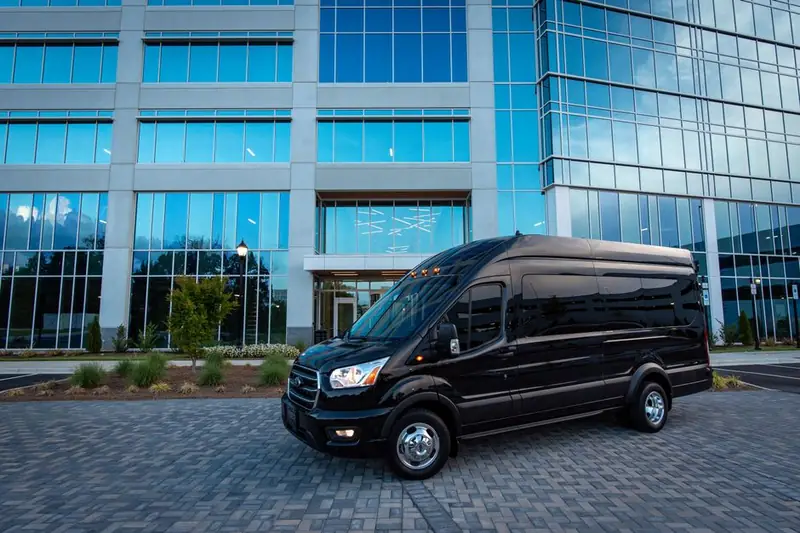
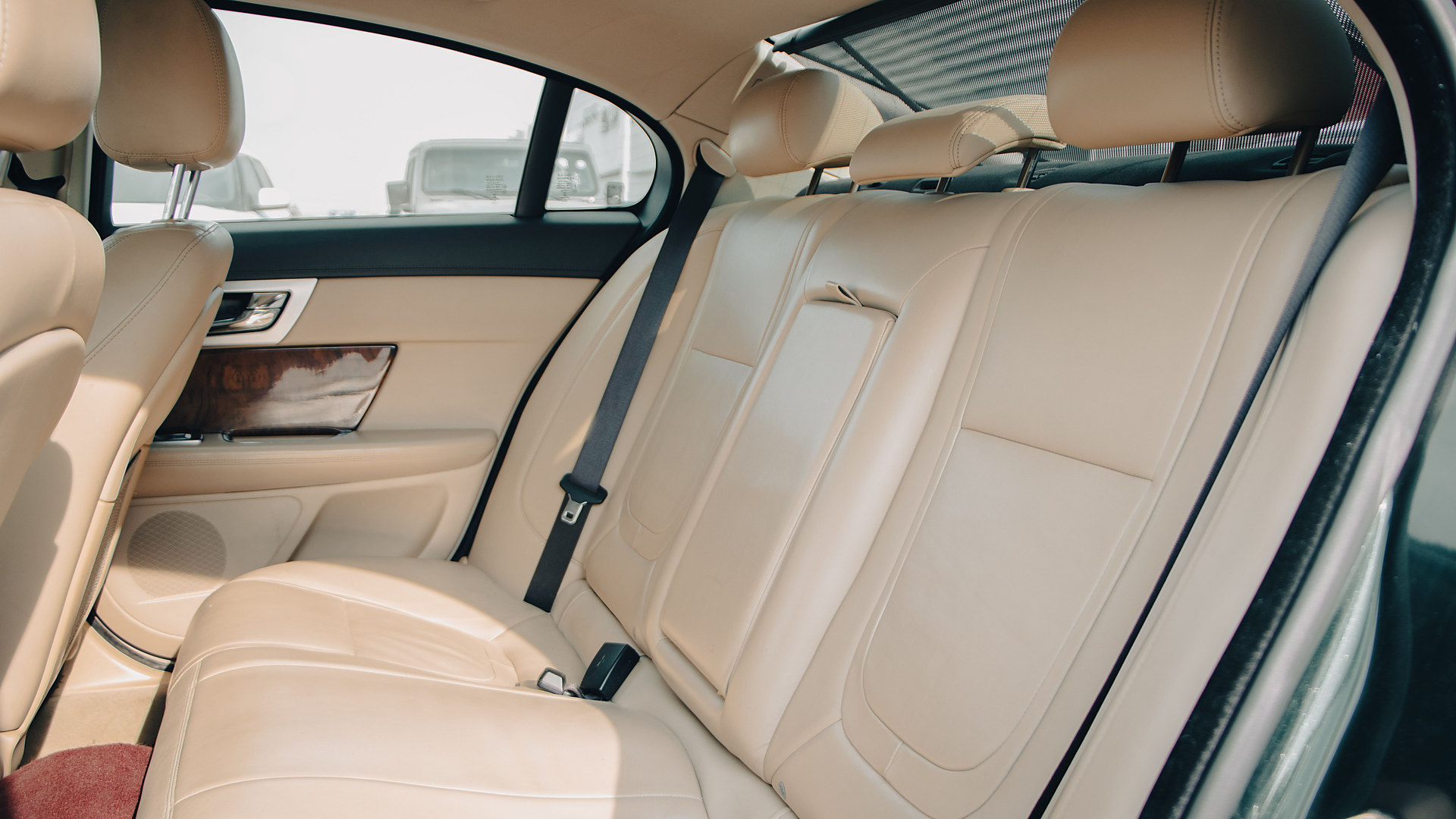
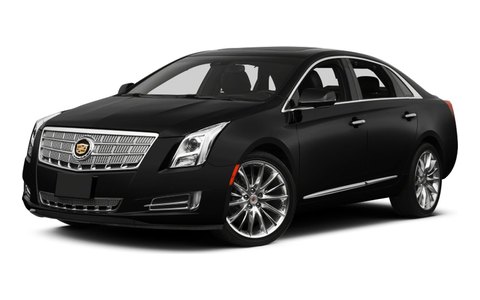
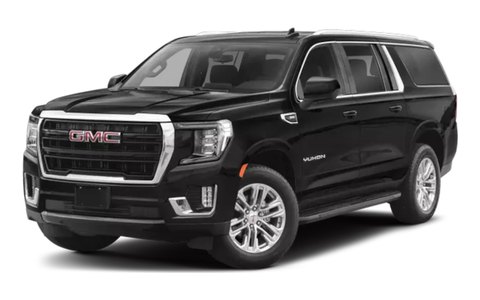
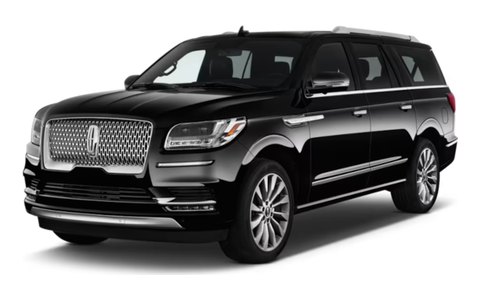
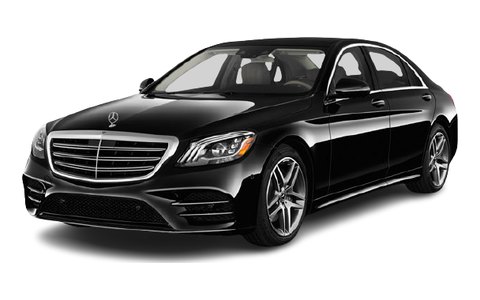
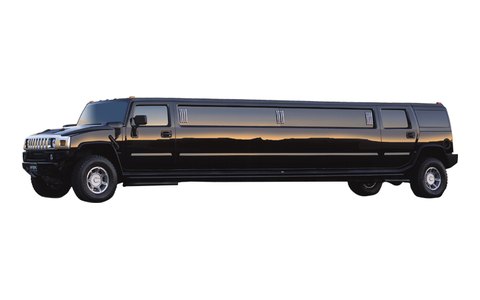
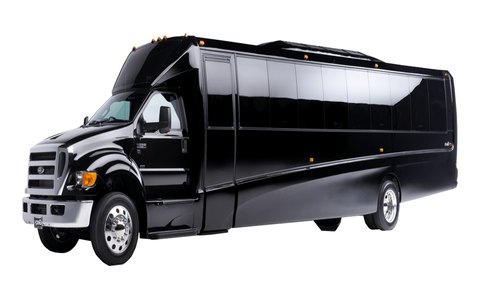
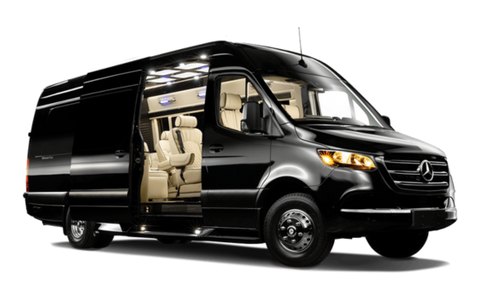
For a single speaker, the First Class Executive Sedan E | S Class gives a quiet cabin and room for a slide bag. If the speaker travels with a colleague or a trainee, the SUV Business Standard holds six passengers and six bags. See the SUV Business page for the cabin.
Timing around the talk
Plan the visiting specialist's grand rounds day backwards from the talk time. Speakers often like a few minutes alone in the room before the audience arrives, so the chauffeur should aim to deliver them well ahead of the start and not at the last minute. Give the speaker at least an hour at the hospital before they begin, to meet the host and check the room. Confirm the entrance with the coordinator, since large hospital campuses have several. If the speaker is arriving the same morning, add a buffer for a delayed flight.
If the talk is part of a larger visit, such as a research meeting or a dinner with fellows, share the full itinerary with the chauffeur so the day flows. Tell us if the speaker has dietary needs or prefers a quiet ride to rest before the talk.
Small things that matter to academic hosts
A host who has arranged a car for the visiting specialist's grand rounds day looks organized and considerate. The speaker remembers the first impression and often reports it back to colleagues. For departments that invite many visitors a year, a standing arrangement saves time: the coordinator enters the visit details, and a chauffeur is booked.
Many departments also like to send a short welcome message with the chauffeur's name and mobile number the day before, so the speaker knows who to look for. Hospitals have their own rules about what visitors can accept and about who pays for hospitality. Check with your department or finance office so the booking follows the policy that applies to you.
Booking checklist
- Speaker's name, flight details and hotel.
- Hospital entrance and the time of the talk.
- Any pre-talk meeting or post-talk dinner.
- Number of passengers and bags, including equipment.
- Billing details for the department.
Price it and reserve
Enter the airport, the hospital, the date and the time in the booking engine, press Next and see each vehicle with its all-in price. Reserve in minutes. For visits with several stops, call +1-877-508-3344 and we will build the itinerary for the visiting specialist's grand rounds day.
Official information & sources
- Destination Canada destinationcanada.com
Official sites, checked November 2026. Opening times, rules and event dates can change; confirm with the source before you travel.
Frequently asked questions
Can the department book the car for the speaker?
Yes. The coordinator enters the speaker's flight and hospital details in the booking engine and shares the chauffeur's contact with the speaker.
What if the flight is delayed?
We track the flight and adjust the pickup, so the speaker is met on arrival and the host is not left waiting.
Can the chauffeur wait during the talk?
Yes. Book a waiting window or a later return pickup, and the chauffeur is ready when the speaker finishes.
Which entrance will the car use?
Confirm the entrance with the department coordinator and share it when you book. The chauffeur plans the drop-off accordingly.
How do I see the price?
Enter the pickup, destination, date and time in the booking engine to see each vehicle with its all-in price instantly.
More on Industries II