




Picture a volunteer parent with a spreadsheet of twelve kids, six sets of parents and a Saturday racing clinic at the hill. Youth ski club transfers are mostly a puzzle of timing and gear, and a Sprinter can solve it. Here is how to plan the runs and price them instantly.
The scene: a Saturday clinic and a car-pool spreadsheet
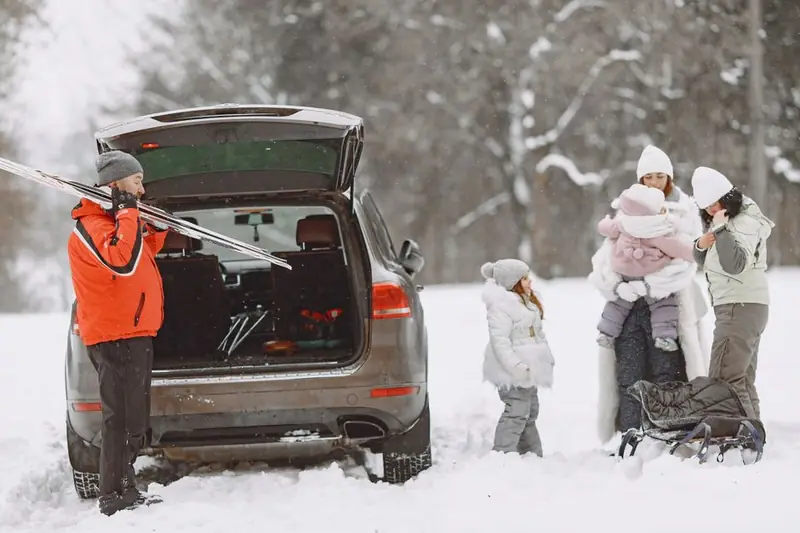
A typical case: a youth ski club meets at the hill on winter Saturdays. Practices start at nine. Parents rotate the driving, and the rota is a delicate piece of work. One family has two kids in different groups. One has a work shift and cannot do the morning. A snowstorm turns the planned drive into a negotiation, and three parents are texting at 6:45 a.m. about who is picking up whom.
The organiser does not want to run a transport company. They want kids on the hill, equipped and on time. A volunteer already gives up a winter of Saturday mornings, and logistics should not be the part of the job that makes them regret volunteering.
Clubs also tend to include families who cannot easily contribute to a driving rota: a single parent working weekends, a household without a car, a family new to the area. A shared vehicle includes them without anyone having to ask for a favour, which is good for the club as well as for the kids.
What goes wrong with the rota
- Car-pooling splits kids across several vehicles, so staff cannot do a single headcount.
- Parents drive in snow with other people's children, which many families dislike.
- Boot bags, helmets and skis end up in a pile at the lodge with no clear owner.
- One late car holds the whole group at the base area.
- A parent who is new to the club does not know the meeting point, the time or the route, and the first Saturday starts with a missed pickup.
Youth ski club transfers run smoothly when one adult owns the plan and everyone else follows a clear schedule.
How youth ski club transfers work by Sprinter
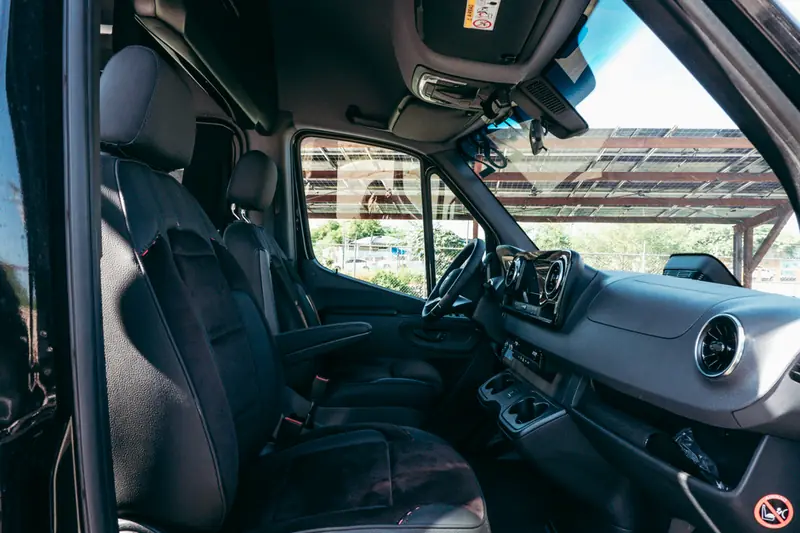
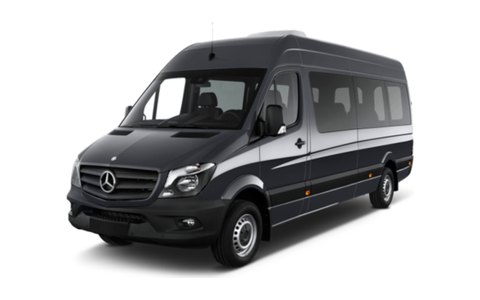
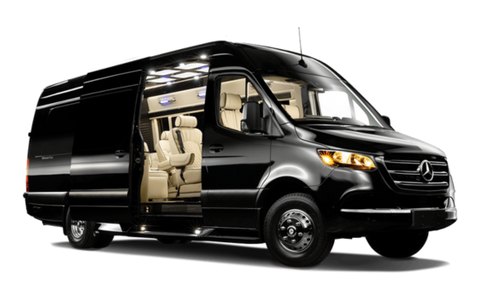
The Sprinter Standard carries twelve passengers and twelve bags in one vehicle. A club can meet at a single point, such as a parking lot at a community centre, and travel together. One vehicle means one headcount, one arrival and one departure. It also gives the organiser a clear plan: the kids are on the bus, the gear is in the cargo area and the chauffeur drives.
For nearby hills such as Horseshoe Resort and Mount St. Louis Moonstone, the run from the GTA is a manageable day-trip distance. See our Barrie guide for the area.
Adults, supervision and safety
A youth group needs adult supervision, and that is the club's responsibility. We expect a chaperone or coach on each vehicle for a group of children, and we recommend discussing the arrangement with us at booking, including the age range of the children and how pickups at the hill will be supervised. Keep a written passenger list, parent contact numbers and a clear plan for handover at the hill and at the return point.
Ask us about any questions concerning minors when you book. The conversation is easier in advance than at the curb.
Organising the run step by step
- Fix the meeting point. One location, one time, a clear sign for parents.
- Make the passenger list. Names, ages, contacts and any medical or dietary notes the coach needs.
- Count the gear. Each child has skis or a board, boots and a helmet, and the vehicle must hold them.
- Confirm the return. Set a time at the hill and a point for parents to collect.
- Book the vehicle. Use the booking engine to price the run and reserve.
If the club wants a regular schedule, ask about recurring bookings. A fixed Saturday pickup that repeats for the season is easier on parents than a new plan every week, and it gives the chauffeur and dispatch a clear pattern to plan around.
Winter weather is the part nobody can schedule. Agree in advance who decides on a stormy morning, how parents will be told and what happens if a clinic is cancelled at the hill. A short message tree, with the coach and the organiser both on it, is worth setting up in October rather than at 6:45 on a snowy Saturday.
Cost sharing and parent communication
One vehicle makes cost sharing easier. Divide the all-in price by the number of families and send one message. Parents see the price up front, the club avoids repeated petrol reimbursements and nobody feels they carried more than their share. A short email with the meeting point, the time, the return plan and the coach's phone number is usually enough. Add weather guidance and a reminder to label gear with names.
Look over the youth ski club transfers plan before each season, because rosters, hills and meeting points change.
Price it instantly and reserve
Asking for a quote is gone. Open the booking engine, enter pickup and drop-off, date and time, press Next and see the Sprinter's all-in price. For related services, see our Sprinter van rental page.
Official information & sources
- Horseshoe Resort horseshoeresort.com
- Ontario 511 — road conditions 511on.ca
- DriveBC — road conditions drivebc.ca
Official sites, checked November 2026. Opening times, rules and event dates can change; confirm with the source before you travel.
Frequently asked questions
How many kids fit in a Sprinter?
The Sprinter Standard carries twelve passengers and twelve bags. Count adults and gear when you plan.
Do you provide adult supervision?
Supervision is the club's responsibility. We recommend a coach or chaperone on each vehicle and will discuss arrangements when you book.
Can we set a regular schedule?
Ask us. A recurring plan can be arranged for clubs that meet on a regular winter schedule.
Can the vehicle wait at the hill?
Ask when you book. The usual approach is a drop-off in the morning and a pickup at an agreed time.
How do we split the cost?
The booking engine shows one all-in price. Divide it among families or follow your club's own policy.
More on Ski, snow & winter