
Say you are an event planner building the ground transportation page of a client brief. You need numbers, times, vehicle classes, contingencies and a single point of contact. A good event planner transportation checklist turns a loose idea into a plan a chauffeur team can run. Here is the checklist, in the order that saves the most time.
The scenario: a planner, a brief and a deadline
Picture a planner at an agency who has just won a two-day corporate event for 200 guests. The client wants a premium experience, the budget has room for ground transportation, and the first draft of the brief is due on Friday. The planner has experience with caterers and AV, but transportation always seems to be the last item to be sorted.
This guide gives you a structure you can paste into any brief, whether the event is in Toronto, Ottawa or another city.
What goes wrong when transport is left to the end
When transportation is late in the plan, the venue is booked, the hotels are chosen, and the schedule is locked. Vehicles then have to fit around a layout that was never designed for them. Drop-off points are inconvenient, there are no staging areas, and the event day becomes an exercise in improvisation.
The cost is not only money. It is also the planner's time on event day, spent answering phone calls about where a car should wait.
Clients also judge the whole event by its edges. The first thing guests experience is the arrival, and the last is the departure. Both are transportation. If the edges are smooth, the middle feels smoother than it is.
An event planner transportation checklist is the simplest insurance in the whole plan.
The event planner transportation checklist, step by step
- Define the moves. List every movement: airport arrivals, hotel to venue, venue to dinner, evening return, departures.
- Count people and bags. For each move, note the passenger count and the luggage.
- Fix the times. Write the earliest and latest acceptable time for each move.
- Name the places. Give the exact hotel, the entrance, the venue loading lane and the restaurant.
- Choose vehicle classes. Match each move to a class, and keep a smaller vehicle in reserve.
- Appoint a contact. Name one person who can approve changes and answer calls.
- Plan contingencies. Decide what happens if a flight is cancelled or a session runs long.
Add one more line to your template: who pays and how. Decide whether the client books everything, whether guests book their own legs, and how invoices should be addressed. Clear billing instructions keep the finance team from calling on event day.
How elle8.com fits into the plan
Send us the move list and we turn it into a schedule. We use our own fleet and chauffeurs in Toronto and the GTA, and we run trips elsewhere in Canada through vetted, licensed partner operators in our network. Chauffeurs are professional, uniformed and briefed before every job. Flight tracking is standard on airport jobs.
If the plan changes, tell us once. You are working with the same team all the way through, and we can keep the plan aligned with the evolving event brief.
Which vehicle goes with which move
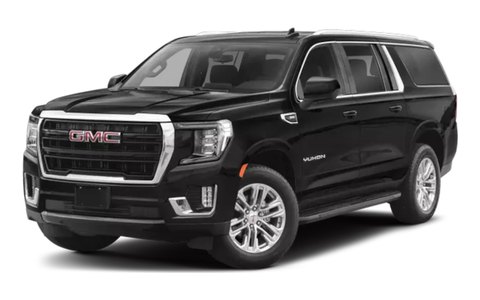
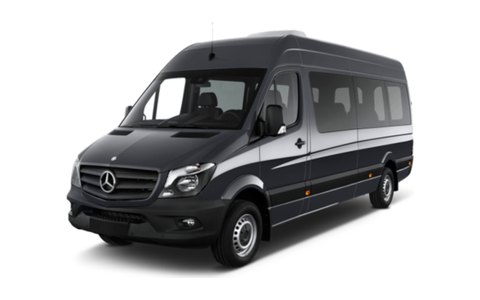
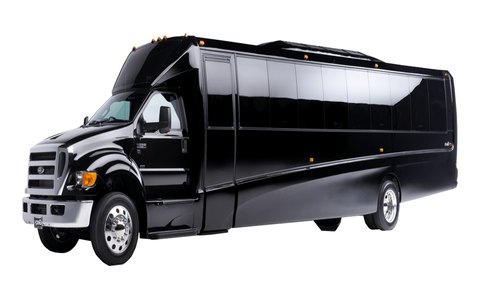
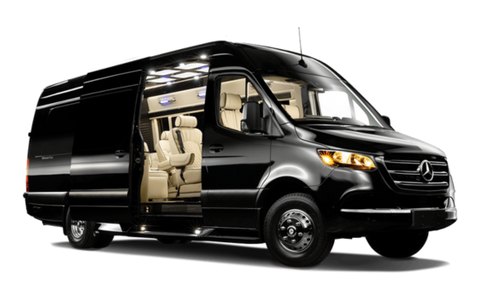
- Airport batches: Sprinter Standard for 12, SUV Business Standard for 6.
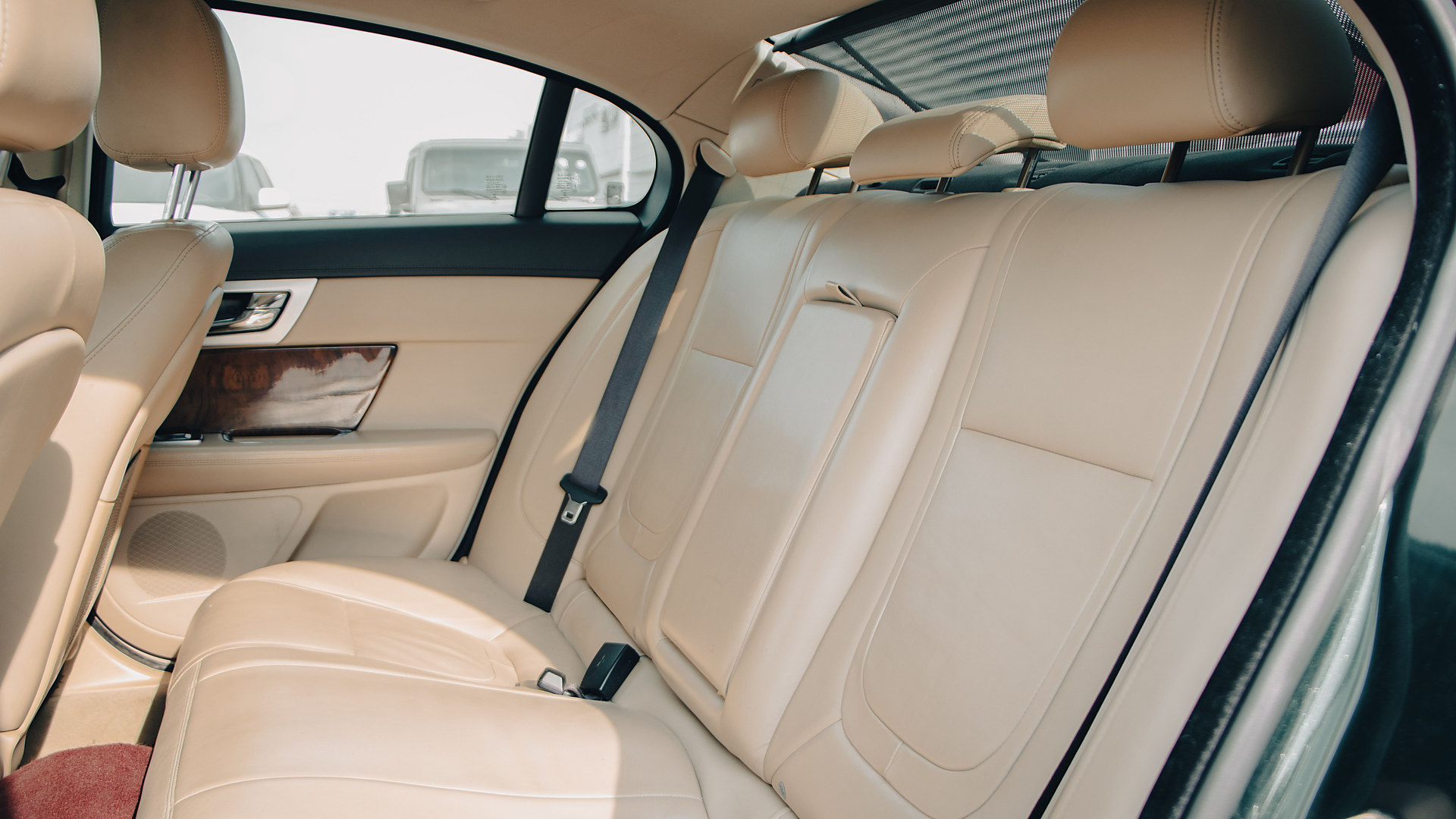
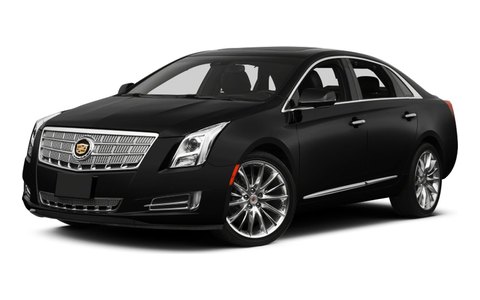
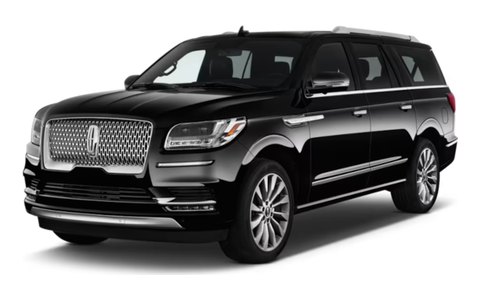
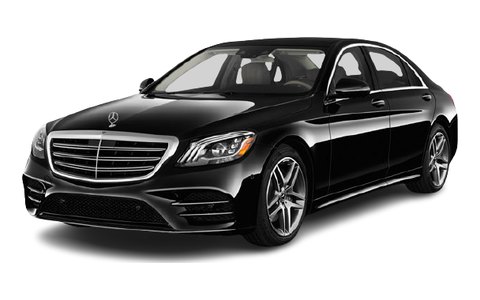
- Executive guests: SUV Executive First Class or First Class Executive Sedan E | S Class.
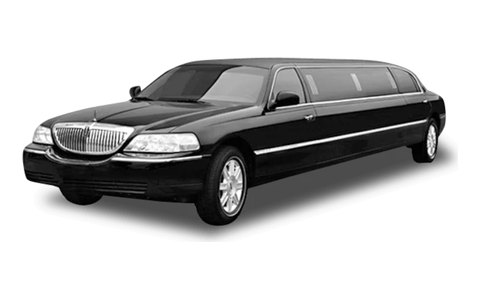
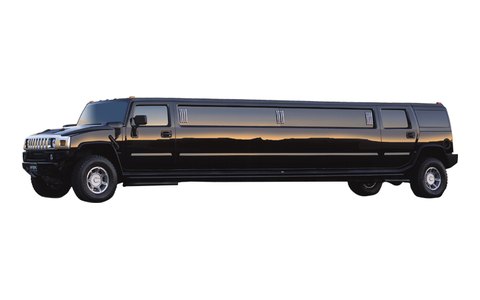
- Celebration groups: Stretch Limousine SUV for 14 or Stretch Limousine Sedan for 8.
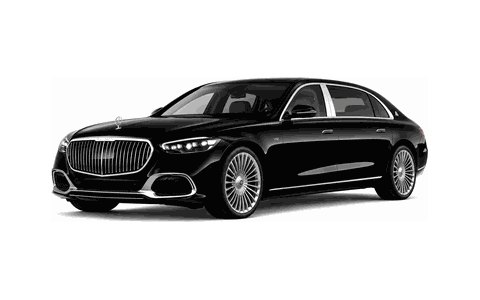
- Small VIP: First Class Mercedes-Maybach Luxury Sedan.
The key is matching class to purpose. A Sprinter is for volume. An executive sedan is for privacy. Mixing them well makes the programme feel considered.
Timing and buffers a planner should insist on
Ask for a buffer in every leg. Roughly 15 minutes is a sensible allowance for a downtown hop, and more for airport legs. Remember that the first and last moves of the event carry the most risk. Build a stand-by vehicle into the plan for arrival day and for the final morning.
It also pays to run a short rehearsal call with the lead chauffeur a day before the event. Ten minutes on the phone to confirm pickup points, the order of arrivals and the contact numbers will save an hour on the day.
For accessibility, ask delegates in the registration form whether they need step-free boarding or extra time. Passing that information to us in advance lets us suggest a suitable vehicle and brief the chauffeur before the event begins.
Paste this event planner transportation checklist into your client brief and adjust it for each venue.
Price it instantly and reserve
Skip the quote form. The booking engine lets you enter pickup and drop-off, set the date and time, press Next and see every available vehicle with its all-in price. Reserve each move in minutes. For a multi-day programme, contact us and we will help you line up the schedule.
For ideas and venues, visit the events hub, the conferences hub and the group and event travel page of our Travel Desk.
Official information & sources
- Destination Canada destinationcanada.com
Official sites, checked November 2026. Opening times, rules and event dates can change; confirm with the source before you travel.
Frequently asked questions
How early should a planner involve transportation?
As soon as the venue and hotels are confirmed. Early involvement lets you choose drop-off points and staging areas that suit the vehicles.
What information do you need to build a plan?
A list of moves with times, locations, passenger counts and luggage, plus a single contact for approvals.
Can we add or remove vehicles late?
Yes, subject to availability. The booking engine shows what is available for your date, and you can contact us if the plan changes.
Do you work with events outside Ontario?
Yes, through vetted, licensed partner operators in our network, booked and supported by elle8. Our own fleet serves Toronto and the GTA.
Can you coordinate with the venue's staff?
Yes. Share the venue contact and we brief the lead chauffeur on arrival lanes, security and loading rules.
More on Business events