


Say the closing keynote ends at noon and 300 delegates head for the airport at the same time. The hotel lobby fills, the taxi line stretches down the block, and the organizer's last memory of the event is a queue. Conference closing day departures are the surge that undoes a good week. Here is how to plan departures so everyone leaves on time and the event ends well.
The scenario: one closing session, hundreds of flights
Conferences end in a wave. The closing session, a final toast or a farewell lunch finishes, and everyone wants to leave. Flights range from early afternoon to the evening, and delegates are anxious about airport time. The hotel lobby, which was calm for three days, becomes a luggage convention.
For the organizer, the surge comes at the worst moment. Staff are tired, volunteers are leaving, and any problem at the curb lands on the person at the front.
Delegates who stay for the closing session often make the extra effort because the event mattered to them. Giving them a clean, unhurried departure honours that effort, and it is the last impression they carry to the airport.
What goes wrong without a plan
Delegates leave in clumps. The first rideshares are fast, and later ones are slow. People with earlier flights wait behind people with later flights because there is no order. A delegate who misses a connection posts about it, and the last note of the week is negative.
Hotels feel the strain. Front-desk staff manage lines and bag storage while trying to turn rooms. A coordinated plan is a courtesy to the hotel as well as to your delegates.
How conference closing day departures run with elle8.com
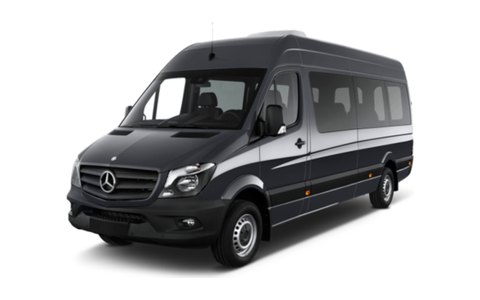
We work from the same flight list you used for arrivals and build departures by flight time. A delegate with a 2:00 p.m. flight leaves at 11:00. Another with a 5:30 flight leaves at 2:30. Sprinters depart at set times from the hotel entrance, and smaller vehicles handle individual needs.
Chauffeurs are briefed on the pickup point, the order and the airport terminal. Flight tracking on airport jobs helps with changes. For delegates flying out of Toronto's main airport, our Pearson airport limo page and the Toronto Pearson airport limo guide explain the process.
Some delegates will fly from other airports, such as Billy Bishop or Hamilton. Include these in the list and we plan the correct drop-off. Others will take the train from Union Station, and we can plan that leg as well.
Choosing vehicles for the surge
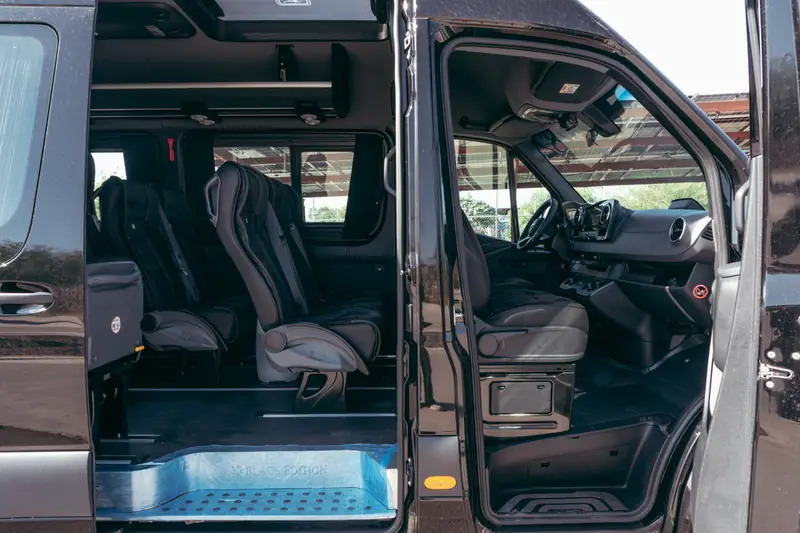
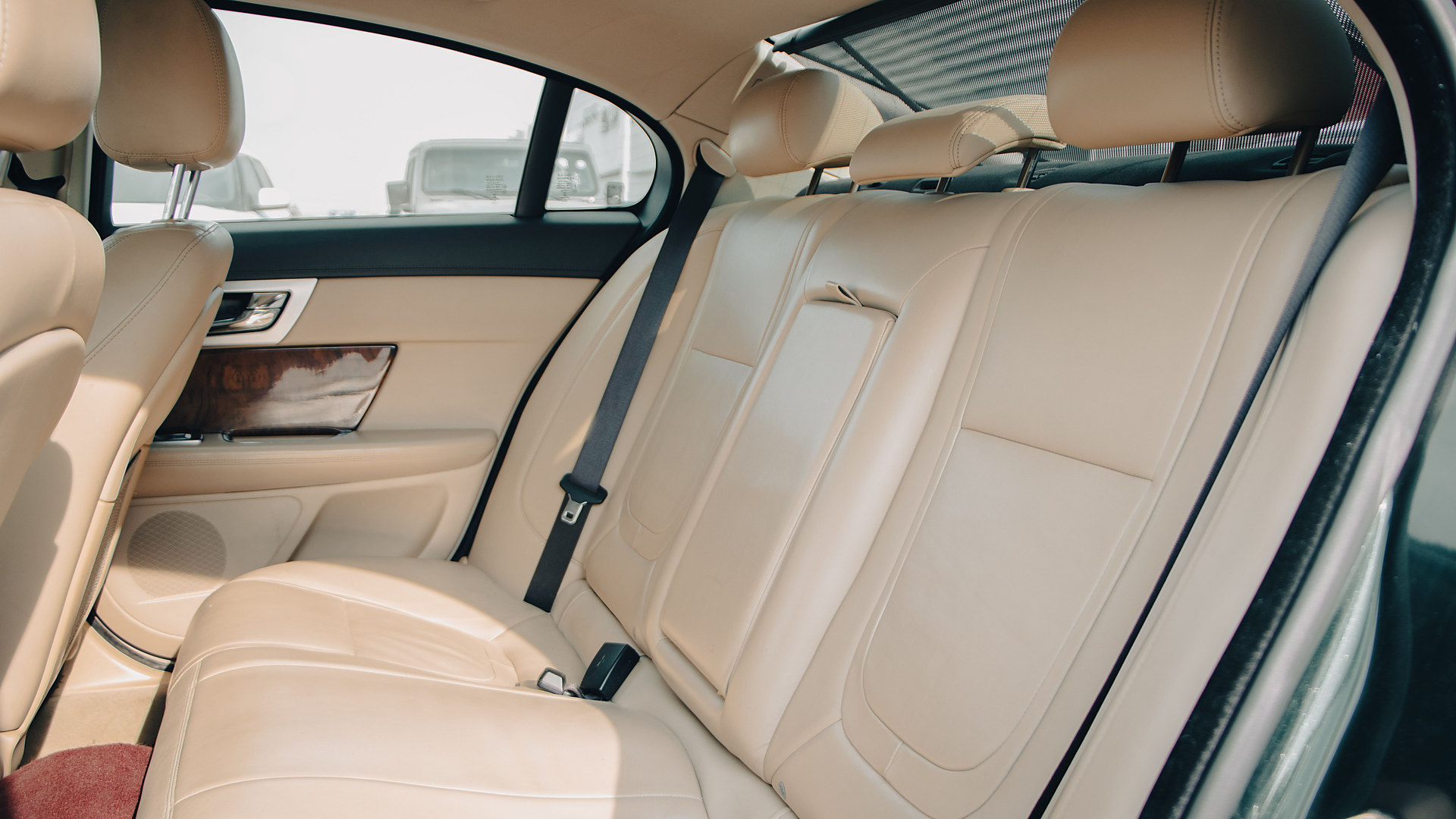
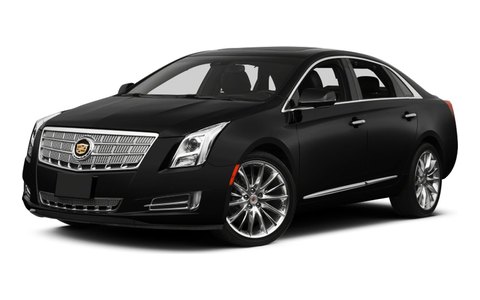
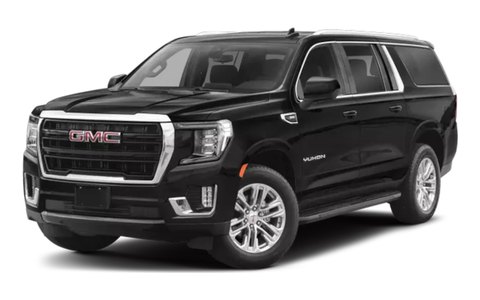
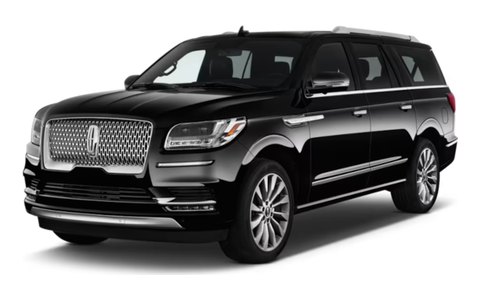
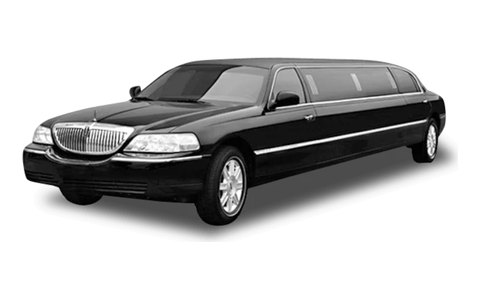
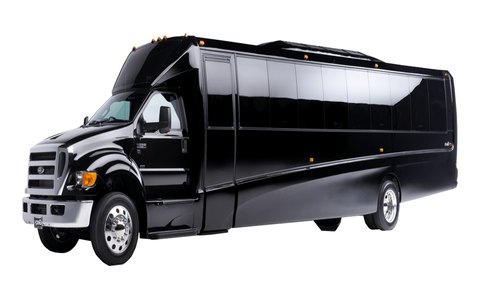
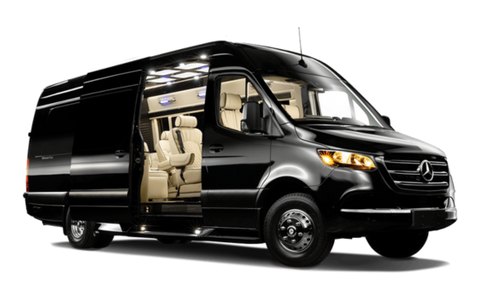
The Sprinter Standard with 12 passengers and 12 bags is the workhorse for departures. Use several Sprinters on staggered times rather than one large departure. For speakers and senior guests, the SUV Executive First Class or the First Class Executive Sedan E | S Class offers a calmer ride.
Keep a spare vehicle at the hotel for people who miss their slot. Even with a clean schedule, someone will be late, and a spare car turns a problem into a minor delay.
Conference closing day departures work with the same vehicles as arrivals, only in the opposite direction.
Timing: how early to leave
For domestic flights, many travellers aim to reach the airport two hours before departure; for international flights, three hours. From a downtown hotel, a drive of roughly 45 to 60 minutes is a fair allowance, with rush hour adding time. A delegate with a 3:00 p.m. international flight should therefore leave the hotel around 11:00.
Publish the departure schedule before the closing session, by email and on a printed card. Delegates should know their slot before they pack. Add a line to the closing remarks: "your car is on the schedule, please be at the entrance ten minutes early". Reminders reduce late arrivals sharply.
Ask hotel staff to store luggage near the entrance and to hold a clear lane for vehicles. A short call a day before often unlocks small favours.
Do not forget speakers and VIPs, who often leave earlier than anyone else. Handle them as a separate list with their own vehicles, so they are never caught in the general surge.
Departure day checklist
- Delegate list sorted by flight departure time.
- Pickup times and vehicle assignments.
- Hotel entrance, lane and staff contact.
- Luggage storage plan and handling.
- Closing remarks including the schedule reminder.
- Spare vehicle and a coordinator for changes.
Add one practical item: a printed list of flight departure times that you and your coordinator can see on your phone. When a delegate calls at 11:50 to say the flight has been moved, you can adjust the plan in seconds.
Keep this list near the closing remarks so conference closing day departures run to plan.
Price it instantly and reserve
Open the booking engine, enter the hotel and airport, set the date and time, press Next and see every available vehicle with its all-in price. Reserve each departure in minutes. For a large programme, contact us and we will plan the full set.
See also the airports hub, the conferences hub and the airport car service page.
Official information & sources
- CATSA — airport security screening catsa-acsta.gc.ca
- Transport Canada tc.canada.ca
- ICCA — international meetings and congresses iccaworld.org
Official sites, checked November 2026. Opening times, rules and event dates can change; confirm with the source before you travel.
Frequently asked questions
How early should delegates leave for the airport?
Many travellers aim for two hours before a domestic flight and three before an international one, plus the drive from the hotel.
Can we run a schedule by flight time?
Yes. Share the list and we build departures by flight, with Sprinters leaving at set times.
What if a delegate is late?
A spare vehicle at the hotel can take late arrivals. Tell your coordinator to call us if a delay is likely.
Do chauffeurs help with luggage?
Yes. Chauffeurs load and unload luggage at the hotel and the airport.
Can you handle other airports?
Yes. Share the airport and the time, and we plan the departure. Outside Toronto, partner operators in our network run the trip.
More on Business events